Melatonin is often discussed as though it were a simple switch for sleep, but its role is better understood as part of the body’s timing system. Light exposure, routine and travel can all affect how the evening feels. This review explains the basics in accessible language while keeping the limits of general information visible.
A signal of biological night
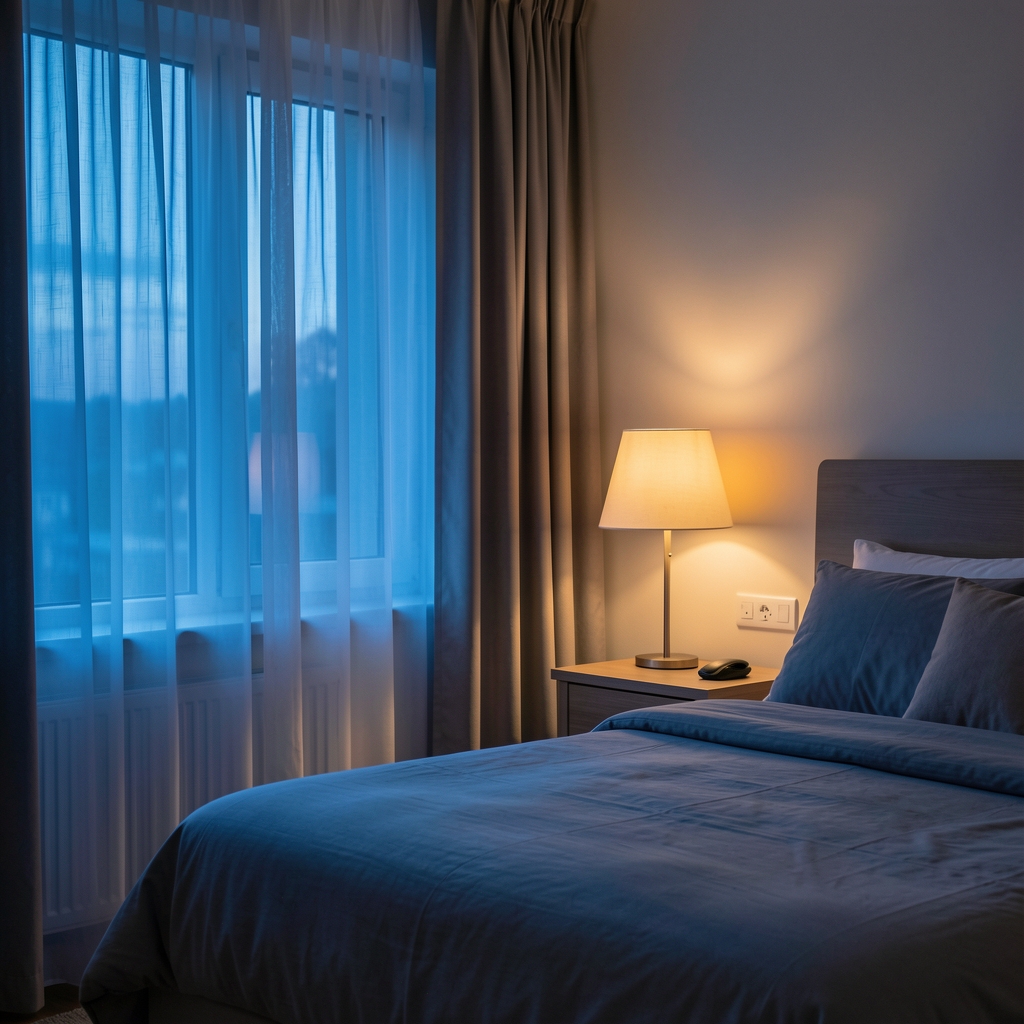
The body uses environmental cues to coordinate daily rhythms. Dimmer evening light can support a transition into night-time routines, while bright light late in the day may provide a different signal.
Timing is not the whole story
Sleep also involves comfort, stress, habits, temperature and opportunity. Focusing on one molecule can obscure the wider setting in which rest takes place.
Seasonal and travel context
Long summer evenings and journeys across time zones illustrate how light and timing interact. A gradual, realistic adjustment often provides more useful context than a dramatic reset.
Reading supplement information
People considering a food supplement should read the label and discuss personal circumstances with a qualified professional. Product names do not replace individual guidance.

Key takeaways
- Melatonin belongs to a wider timing system.
- Light is one important environmental cue.
- Sleep quality has multiple influences.
This article is for informational purposes only and does not constitute medical advice. Always consult your GP before making changes to supplements or lifestyle.