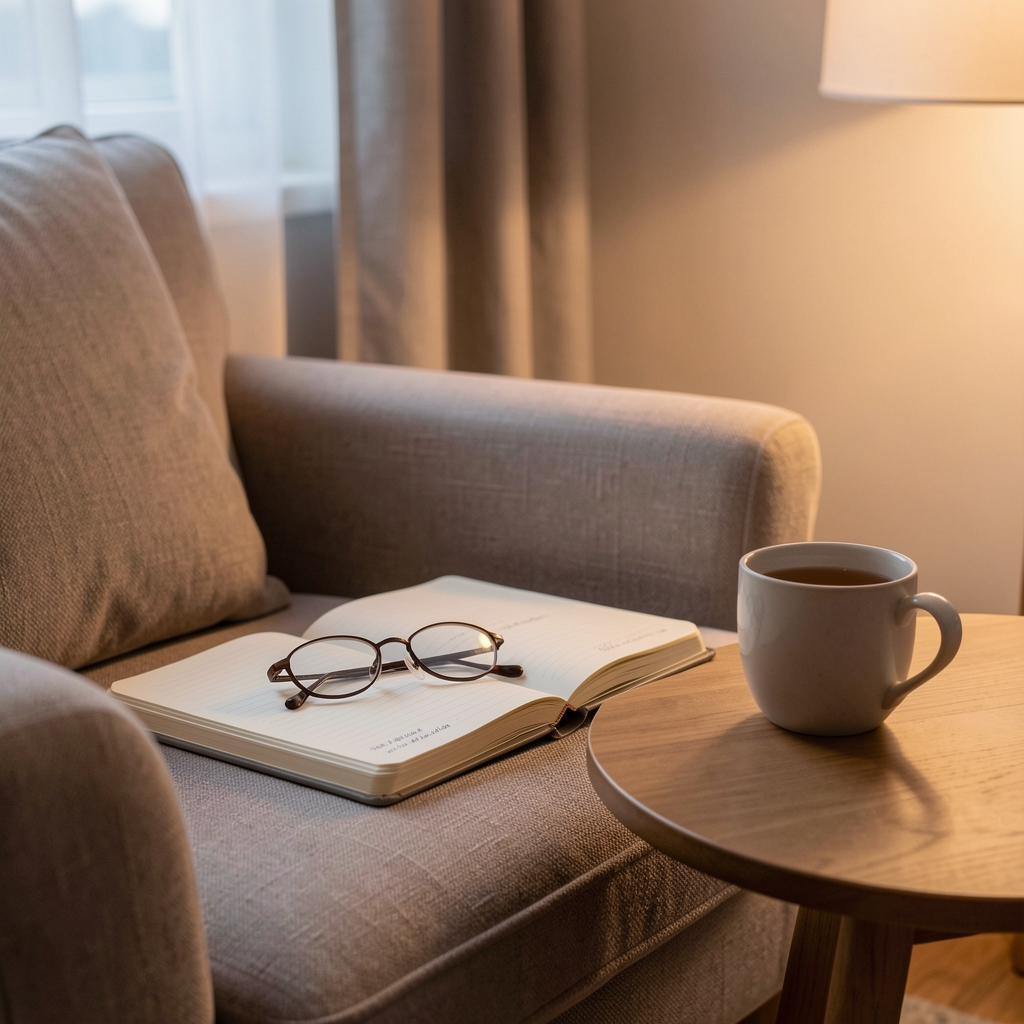
An evening routine is less about perfection than predictability. For many adults over 40, the useful question is not which single habit holds the answer, but which small sequence makes the transition from a busy day to a quieter night easier to notice. This guide considers light, food, movement, screens and the emotional pace of an evening.
Begin with the landing period
A short gap between work or household activity and bed can help mark a change of pace. Its contents may be simple: tidying the room, preparing tomorrow’s items or reading a few pages.
Make the room easy to use
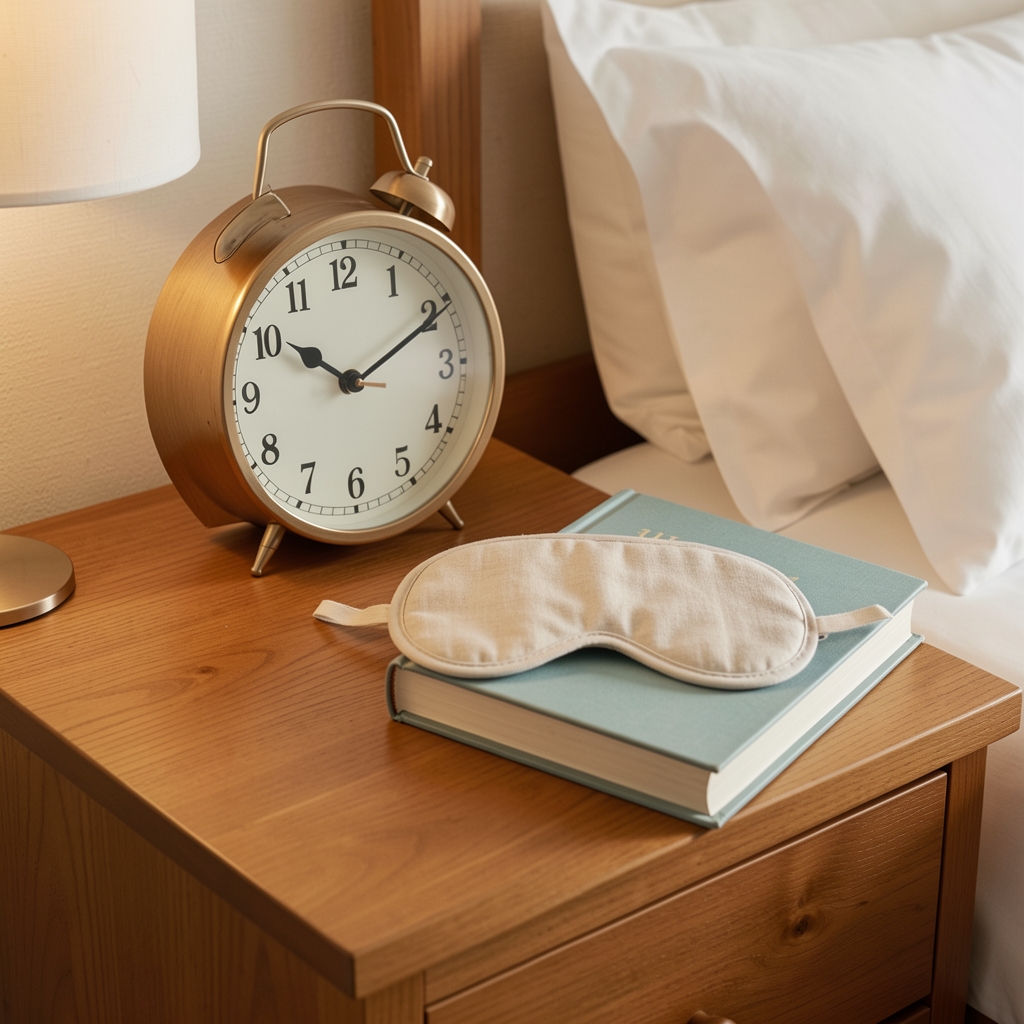
A comfortable temperature, a clear bedside surface and reduced glare can remove small sources of friction. The best arrangement is the one that fits the person and the home.
Keep food and drink in context
Late meals, alcohol and caffeinated drinks affect people differently. A simple diary can help reveal personal patterns without turning the evening into a test.
Choose a repeatable sequence
Routines work best when they are modest enough to repeat on ordinary days. Missing a step does not undo the value of the wider pattern.
Key takeaways
- Predictability can make an evening feel more settled.
- Room comfort and light are practical details.
- A routine should fit real life.